No matter how beautiful the cage, it cannot hold the canary
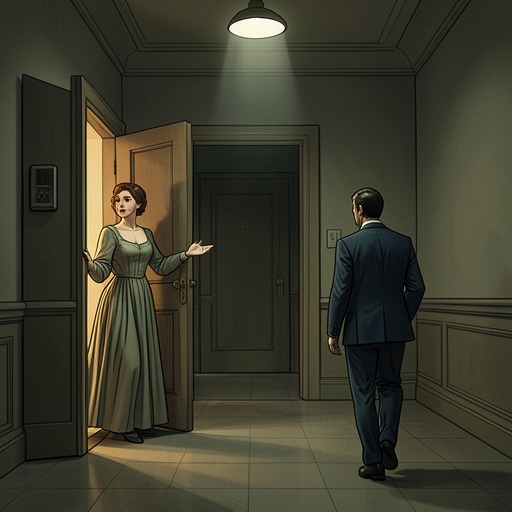
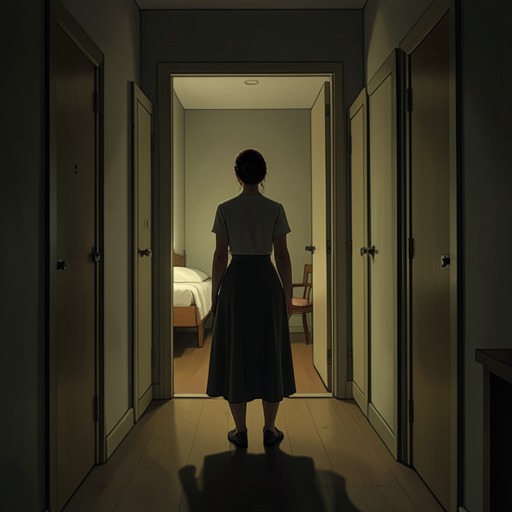
CEO's Beloved Honey Girl“No matter how beautiful the cage, it cannot hold the canary” is a metaphor for freedom resisting possessive control. Lu Xun uses it while confronting Lin Yanche about the woman held within Lin Yanche’s manor, turning an elegant image into a direct accusation: a beautiful prison remains a prison, and the person inside it cannot be reduced to something that can be kept by force.
Context and Speaker
The expression appears after Lu Xun has sent Su Qingrou to Jin Zhengnan’s Hospital Ward and then called Lin Yanche. The sequence places the metaphor against a crisis involving protection, confinement, and competing claims over another person. Lu Xun’s tone is cold and openly dismissive of Lin Yanche, making clear that the call is not a friendly inquiry but an intervention.
Lu Xun tells Lin Yanche that the manor is attractive and that he likes it, then immediately overturns that apparent compliment with the image of the cage and the canary. The contrast is deliberate. The manor’s beauty represents wealth, status, and the outward appearance of security; the canary represents a vulnerable person whose essential condition is still freedom. By joining the two images, the expression denies that material splendor can transform captivity into care.
Confrontation and Meaning
Lin Yanche responds angrily, accusing Lu Xun of interfering again. His reaction confirms that Lu Xun’s words have struck at the central issue rather than merely criticizing the property. Lu Xun answers that he had originally been too indifferent to involve himself, but Lin Yanche had been holding Yun'er too tightly. The metaphor therefore functions as both reproach and explanation: intervention becomes necessary because possession has crossed into coercion.
The canary is not described as escaping in this exchange, so the expression does not promise an immediate reversal. Its force lies instead in asserting a limit that Lin Yanche’s power cannot erase. A cage may be expensive, beautiful, and defended by authority, but it cannot alter the captive’s nature or make confinement equivalent to consent.
Narrative Function and Significance
The expression gives the confrontation a compact moral vocabulary. Lu Xun does not argue only that Lin Yanche’s conduct is cruel; he argues that it is structurally unstable. Any arrangement founded on excessive restraint contains the possibility of flight because the person being controlled remains a person rather than an object. The image also sharpens the conflict between Lu Xun’s intervention and Lin Yanche’s possessiveness, framing the dispute as one between freedom and ownership.
Its placement produces an additional narrative effect. Su Xiangwan reaches the staircase as Lu Xun mentions Song Yuner and stops to listen, so the conversation is overheard rather than privately contained. The metaphor consequently carries beyond the call itself: it becomes part of the information entering the household and part of the wider pattern in which intimate relationships are judged through the language of control, rescue, and release. The line’s lasting significance comes from that compression of setting, power, and emotional captivity into one memorable contrast between a beautiful cage and the canary it cannot keep.